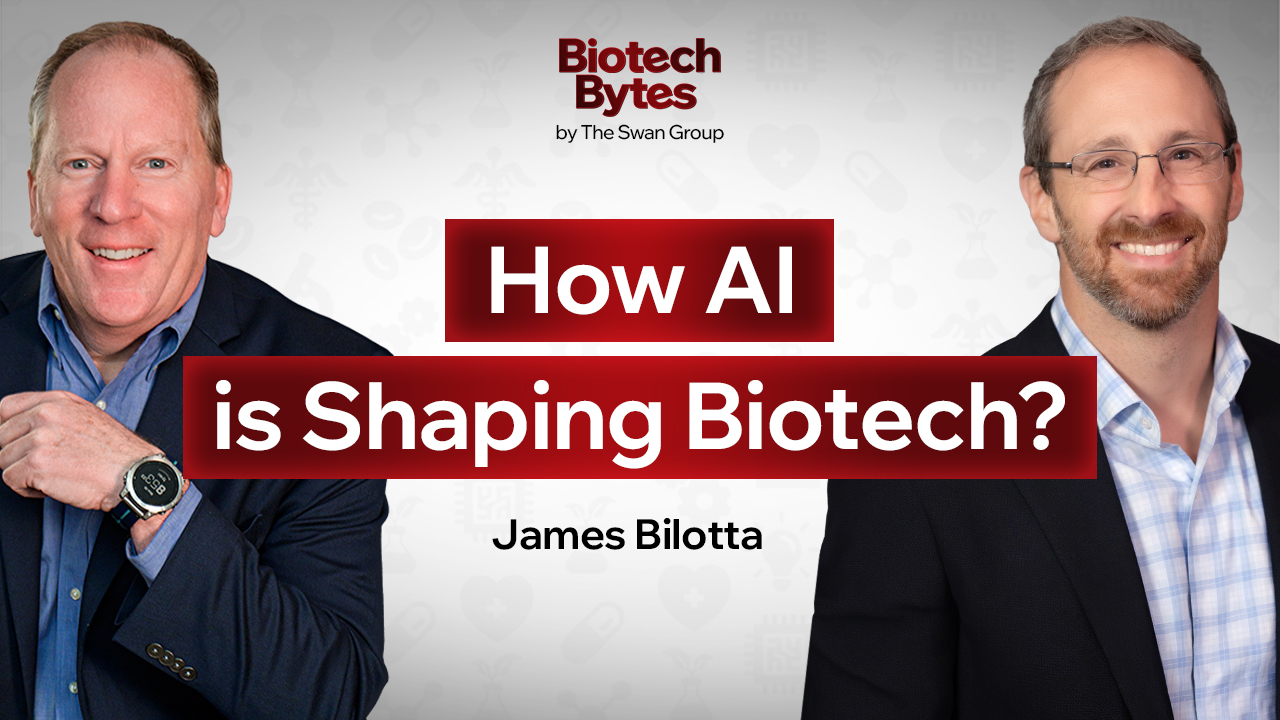
How AI, Security, and Low-Code Are Changing Biotech with Steve Eichorn
Innovation moves fast, and in biotech, it’s pushing the limits of what’s possible. Today’s breakthroughs aren’t just happening in the lab, they’re happening in IT departments, too.
In this episode, I’m joined by Steve Eichorn, Vice President of IT and CIO at Cytiva. Steve’s career path is anything but traditional, starting in finance before making his way into the tech world. We get into how AI is shaping biotech, the serious role security now plays, and why low-code development is gaining real traction. Steve also shares a little about his leadership style and his views on what it takes to drive real change inside big organizations.
This conversation with Steve was full of sharp insights and real-world lessons. Listen to the full episode to hear how biotech companies are adapting right now and what’s coming next.
Specifically, this episode highlights the following themes:
- How AI is improving biotech operations and clinical processes
- The growing importance of cybersecurity in an AI-driven world
- Why low-code development is shaping the future of IT and business collaboration
Links from this episode:
- Get to know more about Steven Swan: https://www.linkedin.com/in/swangroup
- Get to know more about Steve Eichorn: https://www.linkedin.com/in/steve-eichorn-he-his-him-68b8105
==== Time Stamps ====
00:00 – Introduction
01:07 – About Steve Eichorn
06:49 – Key technology trends in biotech: AI, security, and low-code
07:17 – How AI is transforming clinical trials and drug development
08:36 – Security risks in an AI-driven world
09:35 – The rise of low-code development and citizen technologists
13:11 – Breaking down data silos and democratizing access
24:40 – Balancing flexibility and governance with emerging technologies
28:43 – Building a collaborative, associate-focused IT culture
34:23 – Embracing mistakes and fostering innovation in teams
43:24 – AI, regulation, and the evolving technology landscape
45:04 – Steve’s favorite live concert memories and reflections on the ’90s